After the Trip: Reliving and Sharing Your Experiences
The real work begins when you get home and realize you have 847 photos of the same sunset and a head full of stories nobody asked for yet. Capturing those memories through photos and writing, sharing what worked (and what didn’t), and connecting with fellow travelers helps keep the adventure alive long after you’ve done your laundry.
Travel Photography and Journaling Ideas
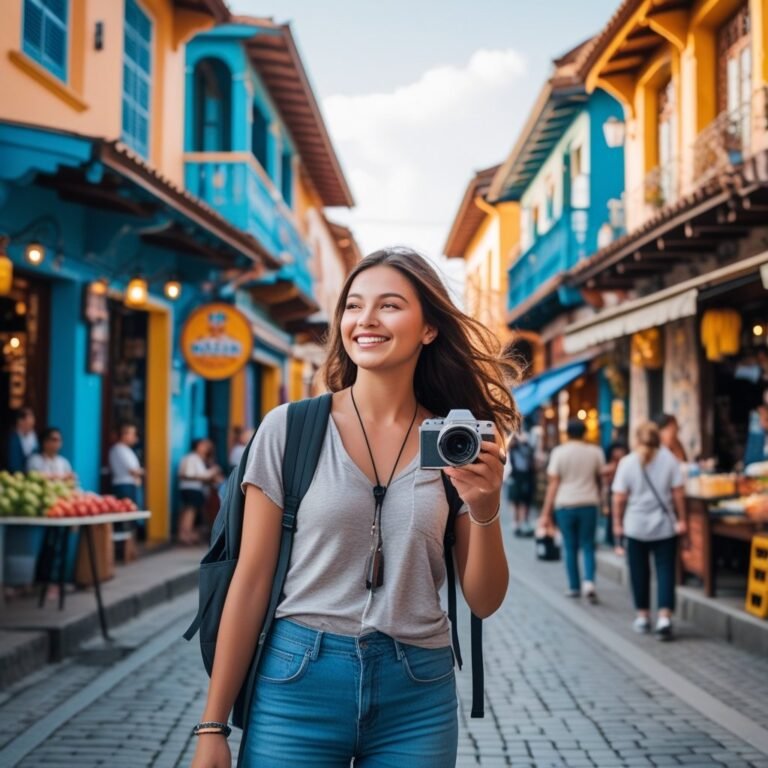
I learned the hard way that taking photos is only half the battle. The other half is actually organizing them before they disappear into the void of my camera roll.
I sort my photos within a week of getting home, deleting the blurry ones and the seventeen identical shots of that one street cat. I create folders by location or day to make them easier to find later. Adding captions while the memories are fresh helps me remember why I thought that random building was so important.
Journaling after a trip lets me capture details that photos can’t. I write down smells, tastes, and weird interactions that would otherwise fade. I also tape in ticket stubs, receipts, and maps to make my journal more than just words.
For photos, I focus on shots that tell a story rather than just pretty landscapes. A local vendor’s hands preparing food or a candid moment at a train station often means more to me than another beach photo.
Turning Memories into Recommendations
My friends always ask where they should eat or what they should skip, so I’ve gotten good at turning my experiences into useful advice.
I keep a simple spreadsheet with the places I visited, what I paid, and whether I’d recommend them. This saves me from recommending that “charming” hotel that actually had bedbugs. I note specific dishes at restaurants, not just the restaurant name, because nobody needs another vague “the food was good” recommendation.
I’m honest about what didn’t work. If a famous attraction was overcrowded and overpriced, I say so. People appreciate knowing what to skip as much as what to see.
I share practical details like the best time to visit, whether I needed cash, and if something was worth the price. These specifics help friends plan better trips than generic “you should totally go there” statements.
Travel Communities and Staying Curious
I joined online travel groups not to brag about where I’ve been, but to learn where I should go next. These communities keep my wanderlust fed between trips.
I participate in forums and Facebook groups focused on specific regions or travel styles. Reading other people’s questions and mistakes helps me avoid the same problems. I answer questions when I can because helping someone plan their trip reminds me of my own adventures.
I follow travel blogs and Instagram accounts, but I’m picky about who I follow. I look for people who share real experiences, not just filtered sunset photos. I want to know about the food poisoning and the missed trains, not just the highlights.
I attend local meetups or events with returned travelers in my area. Hearing stories in person beats scrolling through social media. These connections often lead to travel buddies for future trips or insider tips I’d never find online.