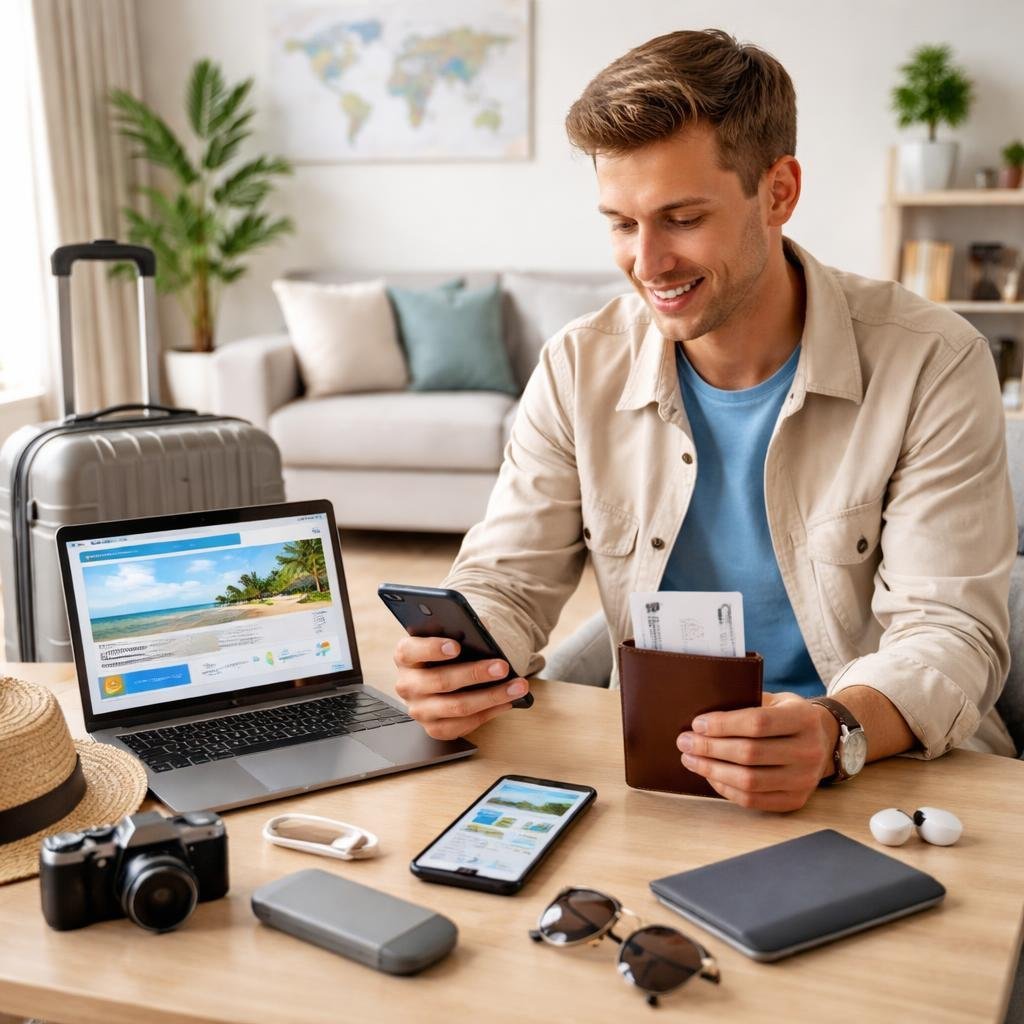
Planning Your Trip Like A Pro:
Smart Steps for Better Travel
Planning your trip like a pro starts with one simple truth: the best travel experiences are built long before you step on a plane. Whether you are mapping out your first solo trip or refining how you plan a trip for a milestone celebration, having a clear process makes all the difference between a scattered vacation and one that feels effortless.

Trip planning does not need to feel overwhelming. When you break travel planning into smart, manageable steps, you gain control over your budget, your time, and the quality of your travel experiences. The key is knowing what to do first, what to research deeply, and where to leave room for spontaneity.
This vacation planning guide walks you through every phase, from choosing a destination and setting a realistic budget to booking flights, and packing with purpose. Each step is designed to help you plan a trip that feels polished and personal, without the stress.
Key Takeaways
Start with a clear destination vision and realistic budget so every booking decision feels intentional rather than reactive.Book transportation and accommodations strategically by comparing options, and planning local mobility in advance.Use digital tools, smart packing, to keep your trip organized and enjoyable from departure to return.
Start With the Right Trip Vision
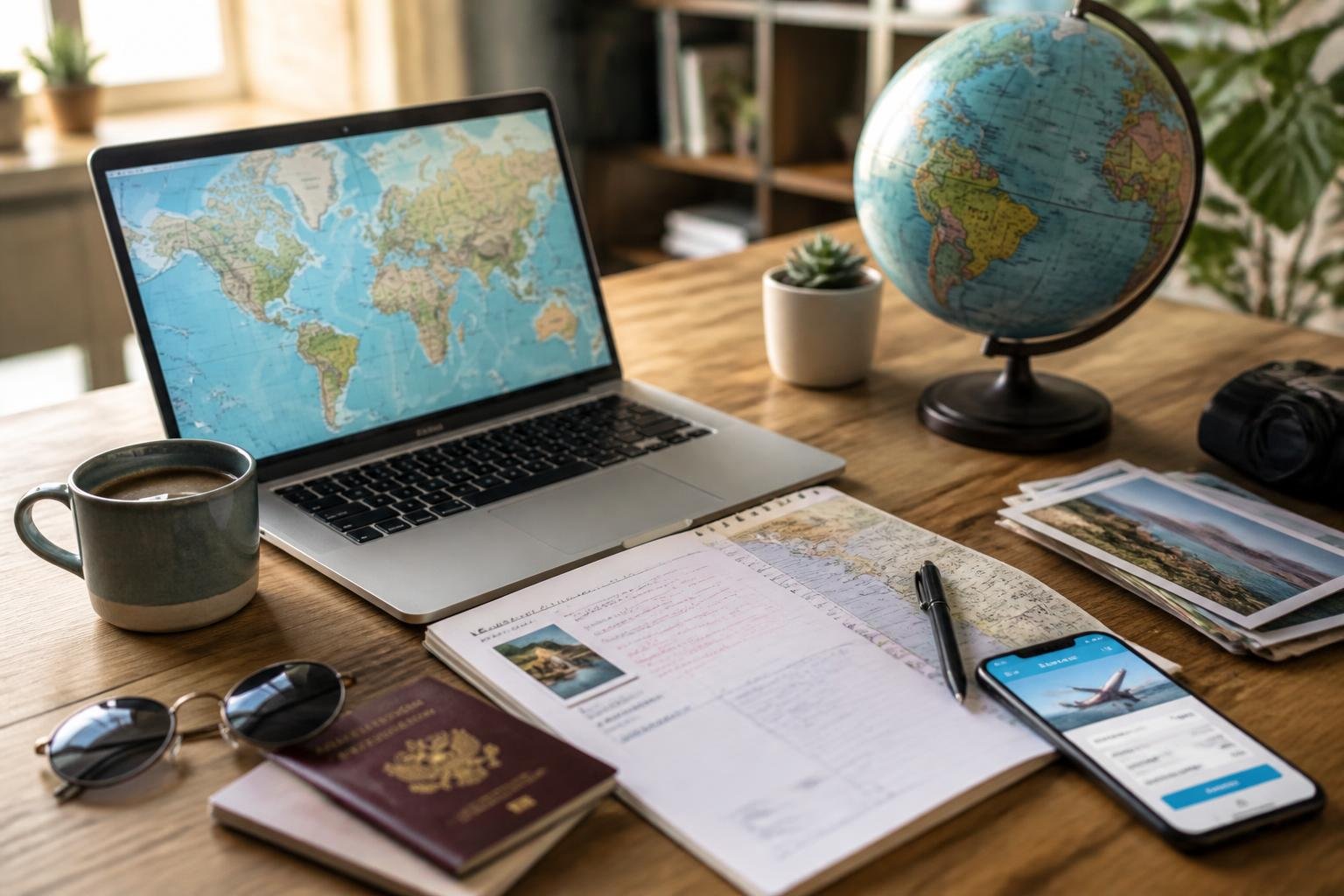
Every great trip begins with a destination that excites you, dates that work in your favor, and enough research to know what you are walking into. Getting these three elements right during early planning sets the foundation for every decision that follows.
Choose a Destination That Matches Your Travel Style
Before you choose your destination, ask yourself what kind of experience you actually want. A week of cultural immersion in Kyoto looks very different from a beach reset in Turks and Caicos.
Think about your interests, your energy level, and who is traveling with you. If you thrive on city exploration, look at places with walkable neighborhoods and rich food scenes. If you want rest, prioritize destinations known for resort culture or natural beauty.
Your travel style also determines pace. Active explorers need destinations with plenty of things to do, while slower travelers benefit from places where the local cuisine and atmosphere are the main attraction.
Set Travel Dates Around Weather, Events, and Crowds
Your travel dates can make or break a trip. Visiting a destination during rainy season or extreme heat limits what you can comfortably do each day.
Check the local event calendar before locking in dates. Festivals and holidays can either enhance your experience or shut down the businesses and attractions you planned to visit. For example, traveling to Southeast Asia during monsoon season means lower prices but limited outdoor activities.
Shoulder season, the weeks between peak and off-peak periods, often delivers the best balance of good weather, manageable crowds, and reasonable pricing.
Research Your Destination Before You Commit
Spend time on TripAdvisor, travel blogs, and travel guides to understand what a destination actually offers. Look at the top-rated attractions, but also search for hidden gems and must-see spots that do not appear on every list.
Read about local customs, tipping norms, and safety considerations. If this is your first solo trip, knowing these details in advance builds confidence. Check for the best places to eat by browsing recent reviews rather than relying on outdated guidebooks.
Research at this stage is not about locking in every detail. It is about confirming that the destination matches the trip you want to take.
Build a Realistic Budget Before You Book
A well-built travel budget prevents surprises and helps you spend confidently throughout your trip. The goal is to account for core expenses, build in a buffer, and understand the real cost of your destination before committing to any bookings.
Map Out Core Costs and Buffer Spending
Start by listing the five main travel budget categories:
| Category | Examples |
|---|---|
| Transportation | Flights, car rental, public transportation |
| Accommodations | Hotels, Airbnb, hostels |
| Food & Drink | Restaurants, groceries, coffee |
| Activities | Attractions, guided tours, excursions |
| Miscellaneous | Souvenirs, tips, unexpected costs |
Research average daily costs for your destination using budget calculators or recent travel blogs. Then add a buffer of 10 to 15 percent on top of your total estimate. This cushion covers the small expenses that always add up, like airport snacks, rideshares, and impulse purchases.
Compare Trade-Offs Between Comfort and Cost
Luxury travel planning does not mean spending the most on everything. It means spending intentionally. You might choose a boutique hotel in a prime location but save on transportation by using public transit.
Compare hotels against Airbnb options for longer stays. Sometimes a well-located apartment with a kitchen saves hundreds on dining while offering more space and privacy. Hostels with private rooms can also surprise you with quality in certain destinations.
Decide where comfort matters most to you, then cut costs in areas where it matters less.
Plan for Insurance, Fees, and Currency Needs
Travel insurance is not optional. A solid policy covers trip cancellations, medical emergencies, and lost luggage. Compare plans that match your destination and trip length.
Check currency exchange rates and decide whether to use a travel-friendly debit card, exchange cash before departure, or withdraw from ATMs abroad. Avoid exchanging currency at airports, where rates are consistently worse.
Factor in international transaction charges, and any entry taxes your destination requires. These smaller line items add up quickly if you overlook them.
Book Transportation and Stays Strategically
Booking flights, accommodations, and local transport at the right time and through the right channels can save you hundreds of dollars and hours of frustration. A strategic approach to each booking category keeps your trip smooth and budget-friendly.
Find Smart Flight Options Without Overcomplicating the Search
Start your flight search with Google Flights. Its flexible date and destination explore features help you spot the cheapest travel windows quickly. Compare results across two or three platforms to confirm pricing, but avoid spending hours chasing marginal savings.
Book flights roughly six to eight weeks before a domestic trip and two to three months before an international one. Midweek departures, especially Tuesdays and Wednesdays, tend to offer lower fares.
If a layover saves significant money, consider whether the time trade-off is worth it. On long-haul flights, investing in a premium airline seat can make a real difference in how you feel when you arrive.
Choose the Best Stay for Location, Comfort, and Value
Location matters more than star ratings. A well-placed hotel or Airbnb near transit and key attractions saves time and transportation costs every day of your trip.
Use Booking.com, Airbnb, and direct hotel websites to compare pricing. Read recent reviews rather than relying on ratings alone. Look for mentions of cleanliness, noise levels, and neighborhood safety.
For stays longer than four nights, apartments and vacation rentals often deliver better value than hotels, especially for families or groups. Hostels with private rooms remain a strong option for solo travelers who want to save without sacrificing comfort.
Plan Local Mobility Before Arrival
Research local transportation options before you land. Many cities have excellent public transportation systems that make car rentals unnecessary.
Download transit apps for your destination. In cities like Tokyo, London, or New York, a transit card or pass pays for itself within a day or two. If you plan to rent a car, book early for better rates and check whether your destination requires an international driving permit.
For shorter trips or resort destinations, confirm whether your hotel offers airport transfers. This small detail eliminates one of the most stressful moments of arrival.
Design an Itinerary That Flows Smoothly
A strong travel itinerary balances structure with flexibility. The best itinerary planning approach covers your must-see spots and leaves room for the unexpected discoveries that make a trip memorable.
Prioritize Must-Do Experiences and Leave Space to Breathe
List the attractions and experiences that matter most to you. Use TripAdvisor, travel guides, and local blogs to identify top-rated things to do alongside hidden gems that fit your interests.
Limit yourself to two or three major activities per day. Overpacking your schedule leads to exhaustion and rushed experiences. Leave open blocks for wandering, local cuisine discoveries, or simply enjoying the atmosphere of a new place.
A day with a morning museum visit, a long lunch at one of the best places to eat, and an evening stroll through a neighborhood market often feels more satisfying than five back-to-back attractions.
Group Activities by Area to Reduce Transit Time
When you create an itinerary, organize each day by geographic zone. Cluster nearby attractions together so you spend less time in transit and more time enjoying each area.
Map your activities using Google Maps and color-code pins by day. This visual approach reveals natural groupings and helps you spot inefficient routing before it costs you time.
Walking between nearby sites also leads to unexpected finds, like a local cafe, street art, or a shop that was not in any guidebook.
Use Reservations and Backup Plans Wisely
Book reservations for high-demand attractions, guided tours, and popular restaurants as early as possible. Many top experiences sell out weeks in advance, especially during peak travel season.
At the same time, build backup options into each day. If a planned activity falls through due to weather or closures, having a nearby alternative keeps your day on track without stress.
Save confirmation numbers, addresses, and opening hours in a shared document or travel app so everything is accessible offline.
Prepare for a Seamless Departure
The final phase of travel planning focuses on documents, packing, and digital tools that keep you organized once you leave home. Handling these details early removes last-minute stress and lets you start your trip relaxed.
Handle Documents, Entry Rules, and Coverage Early
Check visa requirements for your destination at least two months before your travel dates. Some countries require advance applications, while others offer visa-on-arrival or electronic travel authorizations.
Confirm that your passport is valid for at least six months beyond your return date. Make digital copies of your passport, travel insurance policy, and booking confirmations. Store these in a secure cloud folder you can access from any device.
Purchase travel insurance as soon as you book your first flight or hotel. Policies purchased early typically offer broader cancellation coverage than those bought last minute.
Pack Smart for the Destination and Trip Style
Build your packing list around your destination’s climate, your planned activities, and the length of your trip. Start with versatile basics that layer well and mix easily.
Packing essentials to consider
Packing cubes for organization and space savings
One pair of comfortable walking shoes and one dressier optionWeather-appropriate outerwearA compact daypack for excursionsToiletries in TSA-compliant containers
Pack smart by laying out everything you think you need, then removing 20 percent. You will almost always wear the same favorites, and leaving space for souvenirs or market finds is worth it.
Use Digital Tools to Stay Organized on the Go
Download a trip planning app like Wanderlog or Google Trips to keep your itinerary, reservations, and maps in one place. These tools work offline, which is critical when you are navigating a new city without reliable Wi-Fi.
Pick up a local SIM card or activate an international phone plan before departure. Reliable data access helps you use navigation apps, translate signs, and document your journey with real-time uploads.
Share your itinerary and key contact information with a trusted person at home. This simple step provides peace of mind for both you and your travel companions.
Frequently Asked Questions
What are the essential steps to plan a trip from start to finish?
Start by choosing a destination that matches your travel style, then set your dates, build a budget, book flights and accommodations, create a flexible itinerary, and prepare your documents and packing. Each step builds on the previous one, so working in order keeps the process organized and stress-free.
How do beginners create a realistic travel itinerary?
Begin by listing two to three must-do activities per day, grouping them by location to reduce transit time. Use tools like Google Maps and TripAdvisor to estimate how long each activity takes, and leave open blocks for rest and spontaneous exploration.
What is the best way to use a trip planning template to stay organized?
A good template includes sections for flights, accommodations, daily activities, reservations, packing lists, and budget tracking. Fill it in as you make each booking, and keep it in a shared document or app so everyone traveling with you has access.
How can you plan a trip with friends and manage budgets, preferences, and responsibilities?
Assign one person to coordinate logistics while using a shared spreadsheet or app for budget tracking and itinerary input. Discuss spending limits and must-do activities early so everyone agrees on priorities before any bookings are made.
How much money should you budget for a vacation, and is $5,000 enough?
Five thousand dollars is a comfortable budget for a one to two week domestic trip or a shorter international trip for one to two people, depending on the destination. Research average daily costs for your location, factor in flights and accommodations, and add a 10 to 15 percent buffer for unexpected expenses.
What details should a complete travel plan include, and what does a strong example look like?
A complete travel plan covers destination research, confirmed dates, flight and hotel bookings, a day-by-day itinerary with reservation details, a packing list, copies of travel documents, and an itemized budget. A strong example organizes all of these elements in a single document or app, with backup plans noted for key activities and emergency contacts listed on the first page